Smart Glasses Have a Fundamental Challenge
Adding technology to glasses sounds simple.
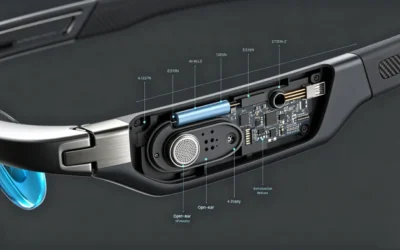
Add:
- Speakers
- Cameras
- Batteries
- Sensors
- Electronics
into a familiar eyewear frame.
But glasses are different from most electronic devices.
A smartphone can be placed on a table.
A laptop can sit on a desk.
Smart glasses must stay on the human body for hours.
This creates a unique requirement:
Technology must disappear into the wearing experience.
The First Hour Test
Many smart glasses feel comfortable when first worn.
The problem appears later.
After 30 minutes to one hour, users may notice:
- Pressure on the nose
- Pressure behind the ears
- Frame heaviness
- Uneven balance
- Skin discomfort
This is why comfort is not a marketing feature.
It is a product success factor.
Why Smart Glasses Become Uncomfortable
1. Excessive Weight
Traditional glasses are lightweight because they mainly contain:
- Lens
- Frame
- Hinges
Smart glasses add:
- Battery
- Speakers
- Circuit boards
- Cameras
- Sensors
Every additional gram affects long-term comfort.
2. Poor Weight Distribution
Weight alone is not the only problem.
Balance matters.
A 50-gram pair of glasses can feel comfortable if weight is distributed properly.
A lighter but poorly balanced product can create pressure points.
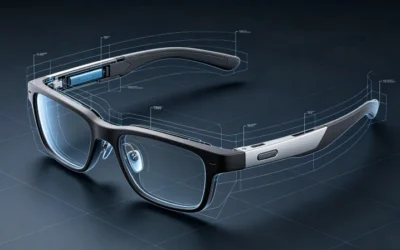
Good smart eyewear design considers:
- Front-to-back balance
- Temple pressure
- Nose support
- Ear contact points
3. Wrong Frame Geometry
Every face is different.
A successful smart glasses design must consider:
- Head width
- Nose shape
- Temple position
- Ear angle
The frame should support the user naturally rather than forcing the user to adapt.
Comfort Is an Engineering Problem
Great smart glasses require cooperation between:
Mechanical Design
Creating balanced and lightweight structures.
Material Selection
Choosing flexible and durable materials.
Electronics Integration
Reducing component size and weight.
Human Ergonomics
Understanding how people actually wear glasses.
Why “Good Glasses First” Matters
The biggest mistake in smart eyewear development is treating glasses as a technology platform first.
The foundation should be:
A great pair of glasses.
Users expect:
- Comfortable wearing
- Natural appearance
- Lightweight feeling
- Long-term usability
Only after these requirements are achieved should smart features be added.
The Future of Smart Eyewear
The winners in smart glasses will not necessarily be the products with the most features.
They will be the products people naturally wear every day.
Because wearable technology succeeds only when users forget the technology is there.
The ultimate goal:
Smart glasses that feel like normal glasses — but do much more.
Explore Comfortable Smart Eyewear
Discover lightweight smart glasses designed around comfort, ergonomics, and all-day wearability.







0 Comments