Great Technology Should Feel Effortless
Many companies focus on features when developing smart eyewear.
Users focus on something different.
They focus on experience.
The most successful smart glasses are not necessarily the most advanced.
They are the easiest to live with.
Comfort Is the Starting Point
A good user experience begins with wearability.
Users should be able to wear smart glasses for hours without:
- pressure points
- slipping
- discomfort
- fatigue
If comfort is compromised, the entire experience suffers.
Simplicity Matters
Smart glasses should reduce friction, not create it.
Users should be able to:
- answer calls
- listen to audio
- activate voice assistants
- access features
without constantly referring to instructions.
The best interface is often the one users barely notice.
Audio Quality Must Be Practical
For audio smart glasses, clarity is often more important than volume.
Users want:
- clear calls
- understandable voice prompts
- reliable communication
especially in real-world environments.
Design Influences Perception
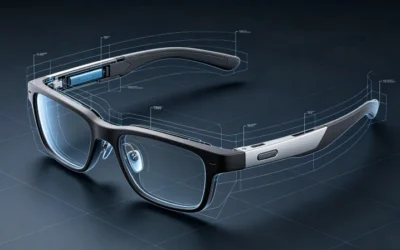
Consumers increasingly expect smart glasses to resemble traditional eyewear.
The product should fit naturally into daily life.
Technology should enhance the experience without becoming the center of attention.
Smart Glasses Should Feel Like Glasses
The future of wearable technology is not about adding more hardware.
It is about creating experiences that feel intuitive, comfortable, and natural.
The best smart glasses are those users enjoy wearing every day.
Learn More About Smart Eyewear Design
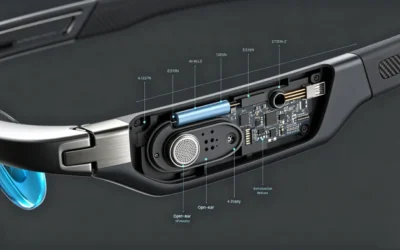
Explore how comfort, usability, and wearable engineering shape modern smart glasses.







Yo, I gotta say, Betkingmobile’s mobile site is pretty slick. Easy to use, doesn’t lag like crazy. Thumbs up from me! Check it out: betkingmobile