Two Technologies With Similar Goals
Both open-ear audio and bone conduction aim to solve the same problem:
How can users listen to audio while remaining aware of their surroundings?
Although the objective is similar, the technologies work in very different ways.
Understanding these differences helps buyers choose the right solution for their needs.
How Open-Ear Audio Works
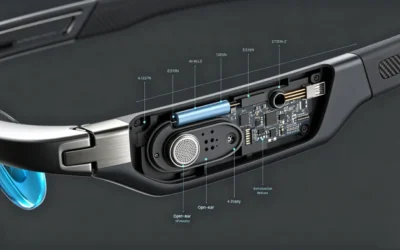
Open-ear audio uses miniature speakers positioned near the ears.
Sound travels through the air, just as it does with traditional speakers.
The audio is directed toward the listener while allowing environmental sounds to remain audible.
This approach creates a familiar listening experience that feels natural and comfortable for many users.
How Bone Conduction Works
Bone conduction uses vibrations instead of airborne sound.
Small transducers rest against the user’s head and transmit vibrations through the skull to the inner ear.
Because the ear canal remains open, environmental sounds can still be heard.
This technology has been widely used in sports and specialized communication applications.
Key Differences
Audio Quality
Open-ear audio generally provides a fuller and more natural sound experience.
Bone conduction systems often prioritize awareness over audio richness.
Comfort
Many users find open-ear smart glasses more comfortable because there is no direct pressure against the head.
Comfort preferences vary depending on individual use cases.
Design Integration
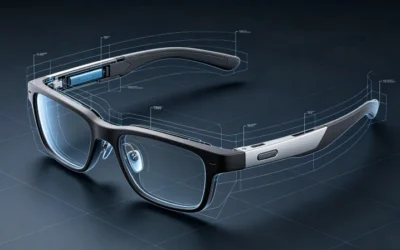
Open-ear audio integrates naturally into eyewear frames.
This allows smart glasses to maintain a familiar appearance while delivering audio functionality.
Everyday Wearability
For daily activities such as commuting, office work, and casual listening, open-ear audio often provides a more seamless experience.
Bone conduction remains valuable in specialized applications where maximum environmental awareness is required.
Which Technology Is Better?
There is no universal answer.
The best choice depends on:
- Intended use
- Comfort preferences
- Audio expectations
- Environmental conditions
Both technologies continue to play important roles in wearable audio development.
Explore Smart Audio Glasses
Learn how modern open-ear audio solutions are helping shape the future of smart eyewear.







0 Comments