The Wearability Problem Most People Don’t Notice Immediately
Many smart glasses feel impressive during the first few minutes of use.
But after an hour, the experience changes.
Users begin noticing:
- nose pressure
- temple fatigue
- slipping frames
- discomfort during movement
- constant adjustment
In many cases, the problem is not total weight.
It is weight balance.
And this is one of the most important — yet overlooked — aspects of smart eyewear design.
Smart Glasses Are Different from Traditional Electronics
Most electronics are not worn continuously on the face.
Smart glasses are.
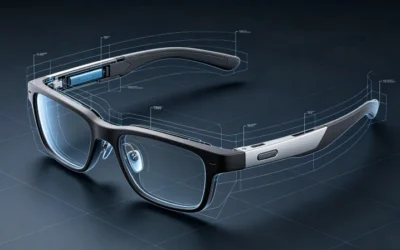
That creates unique ergonomic challenges because even small imbalances become noticeable over time.
A few extra grams positioned incorrectly can dramatically affect comfort.
This is especially important for:
- cycling glasses
- audio eyewear
- AI wearables
- camera glasses
- safety smart eyewear
because these products are designed for extended daily use.
Wearability is not only about making products lighter.
It is about distributing weight naturally.
Why Total Weight Can Be Misleading
Two smart glasses products may technically weigh the same.
But one may feel significantly more comfortable.
Why?
Because users experience:
distribution,
not numbers.
Poor balance often creates:
- forward pressure on the nose
- unstable movement
- ear discomfort
- uneven clamping force
For example:
a front-heavy camera module may create constant downward pressure during walking or cycling.
Even if the total weight remains moderate, the product may still feel uncomfortable.
Good wearable design minimizes these pressure points.
Battery Placement Changes Everything
Battery positioning is one of the biggest factors affecting wearable comfort.
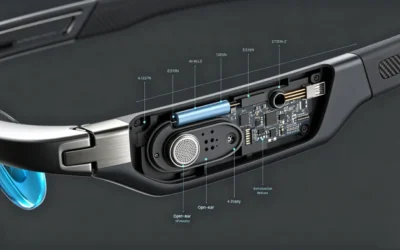
In smart glasses, batteries are often integrated into:
- temples
- frame arms
- rear sections
Poor placement can create:
- uneven side pressure
- rear heaviness
- rotational imbalance
This becomes especially noticeable during movement.
Cyclists, runners, and outdoor users quickly detect instability in wearable products.
That is why smart eyewear development requires careful balance between:
battery size
+
runtime
+
comfort.
Longer battery life is valuable.
But not if the product becomes unpleasant to wear.
Wearability Directly Affects User Retention
Many companies focus heavily on:
- features
- specifications
- AI integration
- audio quality
But wearable comfort often determines whether users continue wearing the product long-term.
If glasses feel uncomfortable after extended use, users gradually stop using them.
This affects:
- reviews
- retention
- product perception
- customer satisfaction
The best smart eyewear products succeed because they integrate naturally into everyday life.
That only happens when wearability feels effortless.
Smart Glasses Must Behave Like Real Glasses
This is an important industry shift.
Consumers increasingly expect smart eyewear to resemble:
normal eyewear.
They want:
- lightweight feel
- stable fit
- discreet technology
- natural frame aesthetics
The more a product feels like “wearing a gadget,” the lower long-term adoption often becomes.
This is why successful smart glasses development requires collaboration between:
- industrial designers
- acoustic engineers
- ergonomic specialists
- manufacturing teams
Wearable maturity is no longer optional.
It is becoming a core competitive advantage.
The Future of Smart Eyewear Is Invisible Integration
As wearable technology evolves, users will increasingly prefer products that feel:
- lighter
- subtler
- less intrusive
- more natural
The future of smart glasses may not belong to the products with the most visible technology.
Instead, it may belong to the products that best disappear into everyday life.
And achieving that requires more than adding features.
It requires understanding:
human comfort,
movement,
and wearable behavior.
Because ultimately, smart glasses succeed when users stop thinking about the hardware entirely.
Learn About Smart Eyewear Development
Explore wearable-first smart eyewear solutions designed around comfort, ergonomics, and real-world usability.






The free spins here actually feel meaningful and not just empty bait. I walked in as a curious beginner and the bonuses gave me plenty of room to explore without stress. It feels like a welcoming neighborhood casino that truly wants you to enjoy yourself. casinogurugratis
Was looking for a safe place to grab the latest version and this is it. Fast download and no annoying pop-ups. g555download is the way to go.